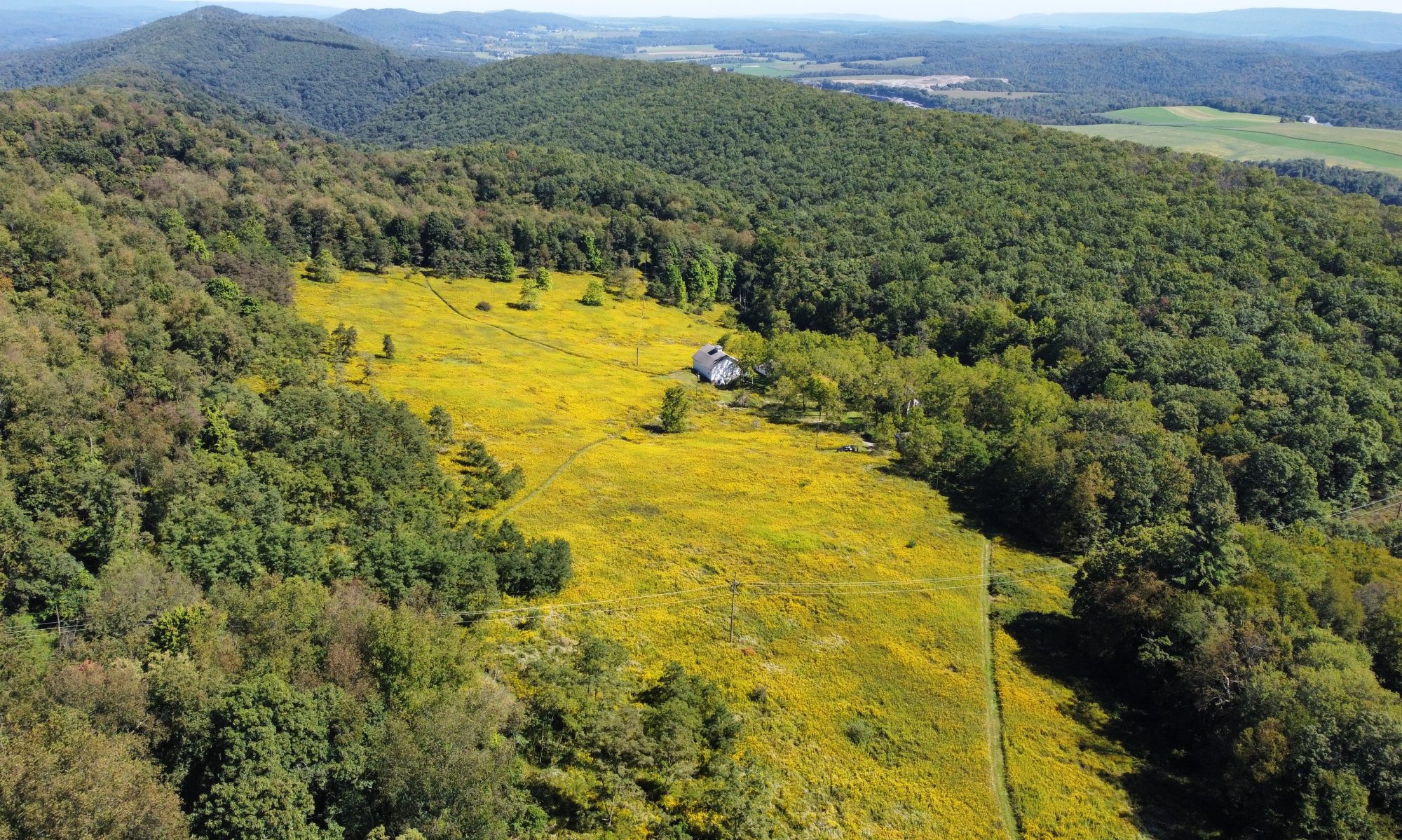
Goodbye snow, hello coltsfoot, and where the hell are the wood frogs?

coltsfoot After a week-long return to winter-like snow and cold, spring is back on track. Warm weather on Sunday brought out the first coltsfoots (coltsfeet?) and crucuses (croci?) as the last patch of snow dwindled on the north side of the spruce grove. Both flowers are non-native; the crocus planted, and the coltsfoot presumably self-seeded. The coltsfoot is thus the first wildflower to bloom here, and has been so every year since we began keeping records in 1972. The other interesting thing about it is that it has never spread any farther than the 100-foot-long stretch of our gravel driveway and the adjacent ditch down below the old corrall. Not all alien plants are invasive in their habits!
There’s no sign of wood frogs yet, which is extremely odd. Their numbers have declined sharply over the last ten years, and this year there may be no more. Last year we found a number of egg masses in the vernal ponds up at the top of the watershed, but the tadpoles all perished when the ponds dried up in early June. The tiny “pond” in the lower corner of the field, meanwhile, seems to have been occupied by red-spotted newts, which are presumably the main reason why wood frog numbers have plummeted there (the venal ponds never were reliable). If so, it’s our own fault for deepening that “pond” several times over the years so that it wouldn’t dry up in late summer. Year-round water means habitat for things that eat wood frog eggs, such as newts. In other words, wood frogs need pools that are ephemeral, but not too ephemeral.

UPDATE (March 28): One wood frog is calling down in the corner of the field this morning.

–Dave

More spring arrivals

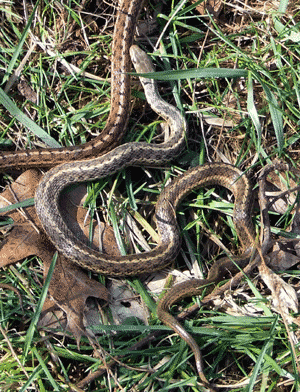
garter snakesIt’s the warmest day so far this month, 64 F by mid-afternoon. The snowpack lingers only in the shade of the woods and on north-facing slopes, and has sunk to just a few inches in depth. The invasive Asian ladybugs have awoken from hibernation in the walls and are crowding doors and windows. Outside, the air is abuzz with the call of the phoebe, who returned first thing this morning and spent much of the day hawking flies in the lawn and barnyard in the company of a bluebird. This is just the first of what I’m sure will be three or four male phoebes staking out territories around the houses, refurbishing old nests under the eaves of the shed, the springhouse, the barn, and the garage.

Steve hiked up around noon, and we watched the first turkey vultures soaring down Sapsucker Ridge, found the first garter snakes in the boggy lawn around the old wells, and spotted the first mourning cloak butterfly (see here), which obligingly landed right in front of my stone wall while we were standing outside talking.

This is only Steve’s second spring since returning to Central Pennsylvania, and a few things are different from what he remembers as a kid. For example, he was surprised to hear that we also count Compton’s tortoiseshell butterflies, now — I don’t think they used to be as common as they are now. And there’s no question that the garter snakes have grown much more numerous since we stopped mowing the lawn. It’s only in the past few years that we have regularly found large mating balls of snakes. I think Emily Dickinson is right that the garter snake “likes a boggy acre”; mowing lawns, as we used to do all the while we were growing up, really turns them into deserts.

UPDATE: Two woodcocks were doing their aerial displays above the field at dusk. That makes five new spring arrivals in one day!

–Dave

Swans

At 9:30 this morning, I watched the first tundra swans flying north over the hollow. I was walking on Black Gum Trail, which follows along Laurel Ridge about half-way between the road and the ridge crest, and had paused to watch a pileated woodpecker finding its breakfast in a dead limb of a nearby red oak. The pileated was hanging to the bottom of the limb, and I watched through the zoom lens of my camera as he tapped and fed, probably for carpenter ants. The swans were nearly silent and quite high up, and I’m sure I wouldn’t have noticed them if I hadn’t stopped. They were strung out in a line of about 25 birds, with only one bird following the leader on the other side to form a very lopsided “V.”

This too will be entered on the graph-paper version of our Spring Arrivals list, which has now been affixed to the refrigerator in my parents’ house. For many years, we recorded the date we first saw migrant Canada geese, instead, but stopped around 2002 because so many Canada geese had stopped migrating altogether — it became difficult to tell the migrants from flocks of local geese moving between local lakes and fields. That was a completely new phenomenon for our area; there were no year-round resident geese around here until sometime in the early- to mid-90s. To compensate, we began keeping records on swans, instead. Like Canada geese, tundra swans tend to fly over sometime between February 20 and March 15.

–Dave

First spring arrival of 2007

red-winged blackbird in snowstorm

Nineteen red-winged blackbirds flew in this morning around 7:30, in the middle of a snowstorm, and joined the other birds mobbing the feeders. This marks the first official 2007 entry in our Spring Arrivals and Blooming Dates list (click on list to magnify). Actually, red-winged blackbirds aren’t a particularly reliable species, since they can show up here on the mountain any time between late February and early April, sometimes well after they’ve returned to the area. They don’t migrate far. They almost always show up at the farm on foggy, rainy mornings in early spring; this is only the second time I can remember them making their first appearance in the middle of a snowstorm. Though one of the most common species in North America, they don’t breed on the mountain, so they’re always a bit of a novelty for us. Sometimes we see large flocks of them in the autumn, too, but in general they stick to the valleys.

The snow tapered off by 11:30 a.m. We got six inches of powder in all. Snowy, wintry Marches have become the norm for us in the last ten years or so: winters tend to start in mid- to late-December and continue through March. That’s a shift of at least two weeks from the 1970s, when I was a kid. This is one of the reasons we’ve kept such careful records of spring arrivals over the years — to help document the seasonal shifts associated with global climate change.

red-winged blackbird in snowstorm 2

–Dave

2006-2007 deer season: final report

I have just received the final report from the hunters on our property for the 2006 – 2007 white-tailed deer season. They were incredibly successful.

The group removed a total of 45 deer from our property this year, 35 “antlerless” (does) and 10 “antlered” (bucks). Our hunter-friends tell us about the sizes of the racks on the ten bucks, the even bigger ones they missed, and the successes of their friends and family members. They will, if given a chance, tell stories, always true of course, about the hunt this year.

To me, the numbers are more important. Last year our friends took away 29 does and 3 bucks. In other words, this year they took 40 percent more deer than last year. In 2004, they harvested 30 does and 1 buck (that was a sad year for the hunters), while in 2003, they took 24 and 7. Their best year, before this one, was 2002 when they shot 32 does and 11 bucks.

I go even farther with the numbers. I multiply the number of deer times the vast amount of browse that each one consumes. Browse is a fancy term for the buds from the trees and shrubs that they eat—seven pounds, by one estimate, per day. Throughout the winter they thrive on browse. Buds pruned off by the deer represent leaves and twigs that won’t grow, trees and shrubs that may be stunted or killed. Our hunters have probably saved many TONS of buds, many hundreds or perhaps even thousands of trees and shrubs this winter.

The numbers are higher than ever due to several factors. On the last Saturday of the regular, two-week rifle season, December 9th, there was a very light snow cover and the weather was clear and bright. Our group, 11 families with about 16 active hunters, plus some of their friends, were all out to take advantage of the visibility. Also, they seemed to be responding to our pressure to take as many deer as possible. Skilled, motivated people did an excellent job for us.

While our friends particularly cheer one another when they get racks they can mount on their garage walls, I see the deer simply as forest consumers, as so many bud-eating mouths. Oddly, though, despite the impressive numbers, a few days after the close of the last flintlock season in mid-January, we began seeing numerous deer tracks in the new snow. More stories for our friends next year, and continuing worries about the forest for us.

–Bruce

Hemlock woolly adelgid: new discoveries

adelgid twig

It’s all up and down the hollow. We’ve probably had it for a couple of years, but were too much in denial about the possibility to look for it closely. It’s easy to overlook in the early stages of an infestation, as you can see.

What does this mean for Plummer’s Hollow? Among other things, that some of the last really nice areas, spared from the tender mercies of loggers back in the late 70s, 80s and early 90s (before we consolidated ownership) will lose one of their main “climax” species. The deep hollow will no longer be as dark a place. And meanwhile, up on the drier slopes of Laurel Ridge, the mountain laurel is dying from a mysterious blight…

–Dave

UPDATE: Marcia wrote about her discovery here.

Who’s Afraid of the Big Bad Cold?

It was two degrees below zero Fahrenheit (-18 C) on Bruce’s thermometer this morning. The probe on the front porch registered three minus signs until it reached minus one degree Fahrenheit later in the morning. Birds flocked to the feeder area as I made breakfast. Then thump. Something had hit the bow window hard. A Cooper’s hawk sat below the window and took off as soon as I looked out. All the little birds had fled.

Many schools were cancelled including Tyrone. I couldn’t believe it. In Maine, at 40 below, I removed the heater from the car engine, bundled baby Mark in layers of clothes, and took Steve to first grade and Dave to nursery school in our Volkswagen bus that never warmed up above zero during our half hour ride. No one ever talked of calling school because of the cold.

And here, one year when Bruce was off to a conference in January and the boys had to get to school on their own, I walked them the two miles down to town at zero degrees, we stopped at a restaurant and they had hot chocolate to warm up, and then they walked on to school while I walked home. I remember the hoarfrost clinging to the trees beside the river and forming on my hair. In those days, Tyrone didn’t cancel school because of the cold. No wonder kids stay indoors like their parents, mesmerized by technology and getting fatter day by day. The outdoors has become something to fear.

Yesterday, it was almost as cold, but the Pittsburgh-based environmental/nature show Allegheny Front, carried on WPSU-FM, devoted most of its half hour program to winter sports–cross-country skiing, snowshoeing, and ice skating–and mentioned that many people get depressed in winter because they stay indoors.

“Get outside. Enjoy the beautiful weather, the tranquility of the forest, etc.” was the essence of their message. But during station breaks, the local announcer kept warning that there was a cold weather alert until 11:00 a.m. Tuesday because of the cold and wind chill! The Allegheny Front folks intoned, “It’s not the weather; it’s wearing the proper clothes,” or something like that. Then, another station break and more warnings. What a disconnect!

I waited until 10:00 a.m. to go out this morning. By then it was two above and windy, but it was lovely walking across First Field to Margaret’s Woods where a song sparrow flew up, and on down Ten Springs Trail where a titmouse foraged on a patch of open ground on the bank.

I sat on the snow, my hot seat beneath me, along Pit Mound Trail to write notes, where I was protected by the wind and the sun shone brightly. Then on down the road, silent except for chickadees feeding on hemlock cones. Under the hemlocks, the stream was frozen. Even the chute was a thick sheet of ice. But at the big pulloff, the stream ran freely. A regular parade of deer tracks headed down for water. The hollow itself gave me a quiet interlude despite the wind that rustled the trees overhead and grew more insistent the farther up the road I walked.

Throughout the day, at the feeder area, I counted 14 bird species altogether including 35 juncos, two goldfinches, 22 mourning doves, two song sparrows, three tree sparrows and a singing house finch. But I heard no Carolina wren song. Could this cold have killed them?

© 2007 Marcia Bonta