What is a conservation easement? The Western Pennsylvania Conservancy (WPC) says:
A voluntary conservation easement is a legal agreement between a landowner and a land trust or government agency that permanently limits uses of the land in order to protect its conservation values. It allows you to continue to own and use your land, as well as sell it or pass it on to heirs.
When you donate a conservation easement to a land trust, you give up some of the rights associated with the land. For example, you might give up the right to build additional structures, while retaining the right to grow crops. Future owners also will be bound by the easement’s terms. The land trust is responsible for ensuring that the easement’s terms are followed.
Conservation Easements
Some excerpts from our easement with the WPC
1.04 Conservation Objectives
The resource-specific and area-specific purposes of the Conservation Easement (collectively, the “Conservation Objectives”) are as follows:
(a) Resource-Specific
(1) Water Resources. The Property includes the entire watershed of Plummer’s Run, which is a small mountain tributary draining Plummer’s Hollow. Plummer’s Run drains into the Little Juniata River just downstream from the Property. The Little Juniata River then meets the Frankstown Branch of the Juniata River to form the Juniata River near Petersburg. The Juniata River then flows more or less eastward, draining into the Susquehanna River, which drains to the Chesapeake Bay. This Grant seeks to maintain and improve the quality of water resources, both surface and groundwater, within, around, and downstream of the Property.
(2) Biological Resources. The Property is predominantly forested and sits within a large forested landscape, which provides habitat for a well-documented diversity of Native Species to the Ridge and Valley region of central Pennsylvania. Several areas on the Property include stands of trees that have been untouched since the first timbering of the land in 1815. These areas are now in a mature, nearly old-growth state, providing much-needed habitat for Native Species that rely on mature forests for their life-cycles. Through the spread of various forest pests and pathogens onto the Property, several Native Species, such as hemlocks, white and black ash, and mountain laurel, are now in decline or have been lost entirely. The Property also has hosted a variety of human uses over time, including agriculture and forestry, which have made lasting influences on the Property’s ecosystems, including introduction of invasive species. This Grant seeks to permanently protect the ecological integrity of the property, to maintain native biodiversity, to prevent habitat fragmentation, to promote management and restoration practices that foster the natural ecosystem function, and to the fullest extent possible, to promote rewilding, including the recovery or restoration of species and disturbance regimes that were historically present.
(3) Environmental Education and Research. The Property is the subject of a series of books and many shorter writings by noted nature writer Marcia Bonta, documenting her observations of Plummer’s Hollow since her family first moved to the Property in the early 1970s. Marcia and others in the Bonta family have also kept meticulous inventory records of plant and animal life observed on the property and many other non-published writings about the Property. Further, the Property includes a maintained network of trails. This Grant seeks to carry on the Bonta family’s legacy by permitting improvements, activities and uses that provide for environmental education and environmental research on the Property.
(4) Aesthetic and Spiritual Benefits. Keeping the property in a healthy, forested condition will protect the viewshed from Tyrone. The end of Brush Mountain is part of a ring of mountains around the town that not only protect property values but also contribute intangible but no less real values to downtown residents, including aesthetic pleasure and inspiration. For visitors to Plummer’s Hollow, visual complexity and interest—a direct index of biological health—should contribute to a sense of wholeness, connectedness and inner peace.
(5) Dark Skies. As of the Easement Date, Plummer’s Hollow is fortunate to have darker skies than many places, but this important resource must be protected from unwanted skyglow, which is increasingly threatening. The Conservation Easement seeks to limit the potential harmful effects of artificial lighting which can impair nocturnal resources essential to plants and animals through various life-sustaining behaviors such as reproduction, nourishment, and protection from predators. Further, the easement seeks to preserve for human enjoyment the aesthetic experience of dark skies.
(6) Ecosystem Services. This Grant seeks to promote absorption within the Property of rainwater that otherwise might cause erosion and flooding downstream of the Property; to sequester carbon in plants and soil to mitigate rising atmospheric carbon levels; and to support other healthy ecosystem processes.
(b)Area-Specific
(1) Highest Protection Area. To protect and enhance the richness of biodiversity and natural habitat, keeping the area wild or undisturbed in character. [This encompasses almost all the forested areas.]
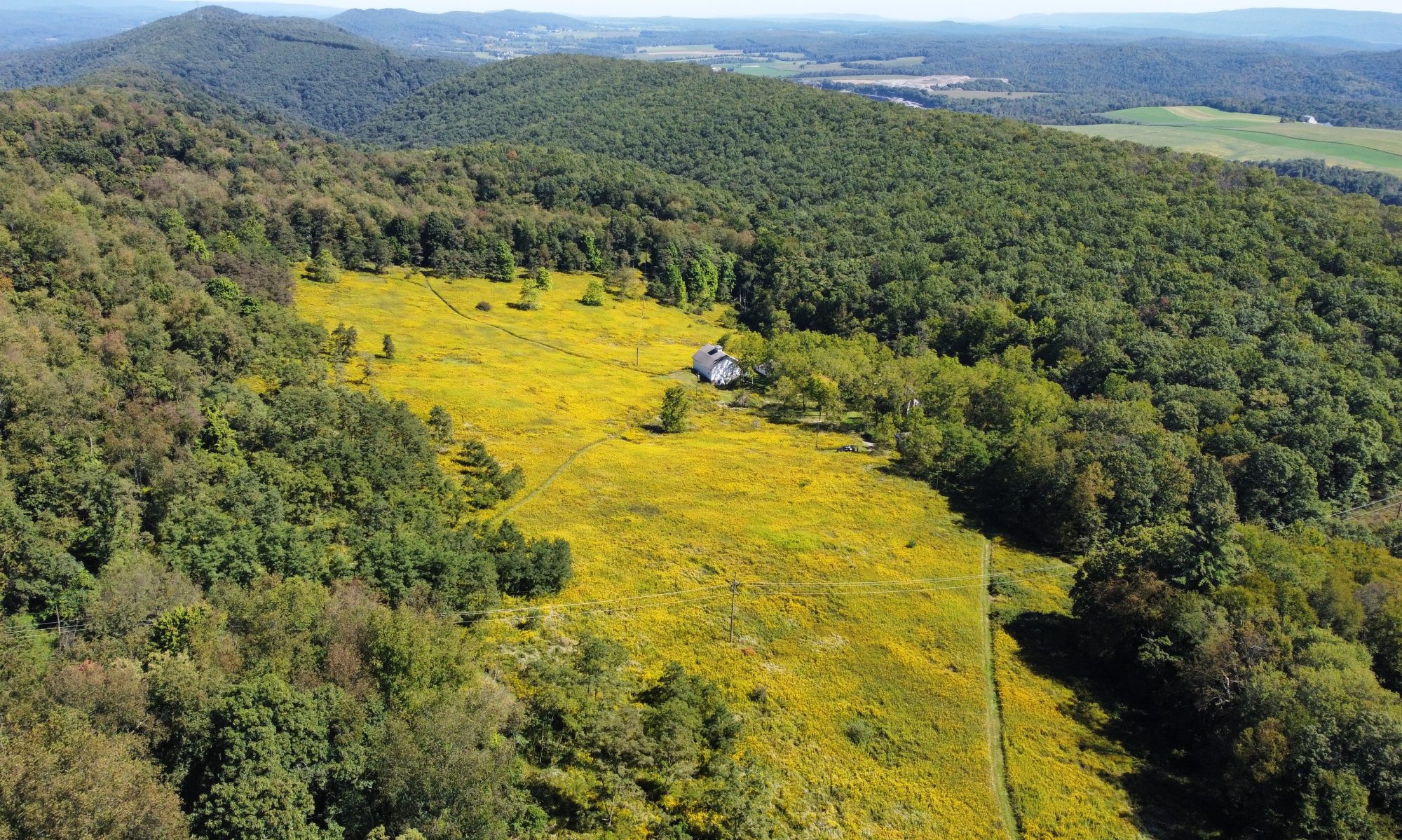
(2) Standard Protection Area. To promote good stewardship of the land so that it will always be able to support open space activities including Sustainable Agriculture or Sustainable Forestry. [This encompasses the old fields and meadows.]
(3) Minimal Protection Area. To accommodate, subject to moderate constraints, a wide variety of activities, uses, and Improvements, confining them to the Minimal Protection Area where they will not be detrimental to the achievement of other Conservation Objectives. [This encompasses the areas immediately around our houses.]
Article 3. HIGHEST PROTECTION AREA*
3.01 Improvements
Improvements within the Highest Protection Area are prohibited except as permitted below in this article.
(a) Existing Improvements. Existing Improvements may be maintained, repaired, and replaced in their existing locations. Existing Improvements may be expanded or relocated if the expanded or relocated Improvement complies with requirements applicable to Additional Improvements of the same type.
(b) Existing Servitudes. Improvements that Owners are required to allow because of an Existing Servitude are permitted.
(c) Additional Improvements. The following Additional Improvements are permitted:
- Fences, walls, and gates, not to exceed eight (8) feet in Height or such greater Height as is approved by Holder after Review.
- Signs; however, signs other than Regulatory Signs are limited to a maximum of eight (8) square feet per sign.
- Habitat enhancement devices such as birdhouses and bat houses.
- Trails covered (if at all) by wood chips, gravel, or other highly porous surface.
- Subject to Review, trails accessible for people of all abilities.
- Subject to Review, footbridges, stream crossing structures, and stream access structures.
- Tree stands and blinds for hunting or nature study. Additional tree stands and blinds to remain in place for more than a season are subject to Review.
- Subject to Review, Access Drives and Utility Improvements to service Improvements within the Property but only if there is no other reasonably feasible means to provide access and utility services to the Property.
3.02 Activities and Uses
Activities and uses within the Highest Protection Area are prohibited except as permitted below in this article and provided in any case that:
- The intensity or frequency of the activity or use does not materially and adversely affect maintenance or attainment of Conservation Objectives.
- No Invasive Species are introduced.
(a) Existing Servitudes. Activities and uses that Owners are required to allow because of an Existing Servitude are permitted.
(b) Resource Management and Disturbance. The following activities and uses are permitted:
- Cutting or removing trees, construction, or other disturbance of resources, including removal of Invasive Species, to the extent reasonably prudent to remove, mitigate, or warn against an unreasonable risk of harm to Persons, their belongings, or health of Native Species on or about the Property. Owners must take such steps as are reasonable under the circumstances to consult with Holder prior to taking actions that, but for this provision, would not be permitted or would be permitted only after Review.
- Planting, replanting, and maintaining Native Species or, subject to Review, planting, replanting, and maintaining other vegetation.
- Subject to Review, removal of vegetation to accommodate replanting as permitted in this article.
- Construction of permitted Improvements with prompt restoration of soil and vegetation disturbed by such activity.
- Vehicular use in the case of emergency or that does not adversely affect maintenance or attainment of Conservation Objectives and in connection with activities or uses permitted under this subsection.
- Except within Wet Areas, cutting or removing trees, standing or fallen, for firewood, if firewood is used only on the Property.
- Application of manure and plant material, both well composted, and, subject to compliance with manufacturer’s recommendations, other substances to promote the health and growth of vegetation. (These permitted substances do not include sludge, biosolids, septic system effluent, and related substances.)
- Piling of brush and other vegetation to the extent reasonably necessary to accommodate activities or uses permitted within the Highest Protection Area.
- Other activities that Holder, without any obligation to do so, determines are consistent with maintenance or attainment of Conservation Objectives and are conducted in accordance with the Resource Management Plan or other plan approved for that activity after Review.
(c) Other Activities. Activities are permitted that do not require Improvements other than trails and do not materially and adversely affect maintenance or attainment of Conservation Objectives such as the following: (1) walking, cross-country skiing, bird watching, nature study, fishing, and hunting; and low-impact gathering (e.g. mushrooms, blackberries); (2) educational or scientific activities consistent with and in furtherance of the Conservation Objectives. Limited use of motorized vehicles to access the property that does not adversely affect maintenance or attainment of Conservation Objectives, is permitted.
* Note that this easement is intended to prohibit all oil, gas, or mineral (OGM) extraction, storage and transmission. The easement prohibits all activity unless specifically granted. OGM extraction is intended to be prohibited.
Article 4. STANDARD PROTECTION AREA*
4.01 Improvements
Improvements within the Standard Protection Area are prohibited except as permitted below in this article.
(a) Permitted under Preceding Article. Improvements permitted under the preceding article are permitted in the Standard Protection Area.
(b) Additional Improvements. The following Additional Improvements are permitted:
- Site Improvements reasonably required for activities and uses permitted within the Standard Protection Area.
- Subject to Review, Site Improvements servicing other areas of the Property, if not reasonably feasible to install entirely within Minimal Protection Area.
- Site Improvements servicing activities, uses, or Improvements not within the Property that Holder, without any obligation to do so, approves after Review.
- Subject to Review, Improvements for generating and transmitting Renewable Energy that Holder, without any obligation to do so, approves after Review.
(c) Access Drive Limitations. Unless otherwise approved by Holder after Review, Access Drives (both Existing Improvements and Additional Improvements) are limited to a driving surface not to exceed fourteen (14) feet in width.
(d) Height Limitations. The Height of Additional Improvements permitted under this or the following article must not exceed 35 feet. This limitation is subject to the following supplemental limitations and exceptions:
- Fences, walls, and gates remain limited as in the Highest Protection Area.
- Improvements for recreational and other (non-Agricultural and non-Forestry) activities must not exceed nine (9) feet in Height.
- Subject to Review, without any obligation to do so Holder may adjust Height limitations for specific Improvements requiring a greater Height to be functional (for example, Agricultural silos or Renewable Energy structures).
(e) Other Limitations on Additional Improvements. Additional Improvements permitted within the Standard Protection Area are further limited as follows:
- Signs remain limited as in the Highest Protection Area.
- Utility Improvements must be underground or, subject to Review, may be aboveground where not reasonably feasible to be installed underground.
- The following Improvements are not permitted unless Holder, without any obligation to do so, approves after Review: exterior storage tanks for petroleum or other hazardous or toxic substances (other than reasonable amounts of fuel for activities and uses within the Property permitted under this Grant).
- Extraction Improvements remain limited as in the Highest Protection Area.
4.02 Activities and Uses
Activities and uses within the Standard Protection Area are prohibited except as permitted below in this article and provided in any case that:
- The intensity or frequency of the activity or use does not materially and adversely affect maintenance or attainment of Conservation Objectives.
- No Invasive Species are introduced.
(a) Permitted under Preceding Article. Activities and uses permitted under the preceding article are permitted within the Standard Protection Area.
(b) Forestry. Sustainable Forestry is permitted in accordance with a Resource Management Plan approved after Review.
(c) Meadow Habitat Maintenance. Owner is permitted to maintain the open meadow habitat.
(d) Burial. This Grant shall not prohibit Bruce and Marcia Bonta and their children and any spouses of children to be buried in the Standard Protection Area. This right shall not be construed to permit burial of anyone except Bruce and Marcia Bonta and their children and spouses of children. Upon any burials that occur, owners shall promptly notify Holder of the specific location of burial sites.
(e) Other Disturbance of Resources. The following activities and uses are permitted:
- Removal of vegetation and other Construction reasonably required to accommodate permitted Improvements.
- Mowing, planting, and maintenance of lawn, garden, and landscaped areas.
- Generation of Renewable Energy and transmission of such energy if and to the extent Improvements for that purpose are permitted under this article.
- Subject to Review, disposal of sanitary sewage effluent from Improvements permitted within the Property is permitted if not reasonably feasible to confine such disposal to Minimal Protection Area.
(f)Other Activities. Outdoor recreational activities and vehicular use are permitted that are limited in time, place and intensity so as not to interfere with Conservation Objectives
*Note that this easement is intended to prohibit all oil, gas, or mineral (OGM) extraction, storage and transmission. The easement prohibits all activity unless specifically granted. OGM extraction is intended to be prohibited.
 Plummer's Hollow, Pennsylvania